Control System Power Supply
Control power supply solutions are products designed to meet the requirements for various operating voltages and electrical isolation in control circuits. These solutions are customized for different industries to ensure the efficient, safe and reliable operation of components within control circuits.
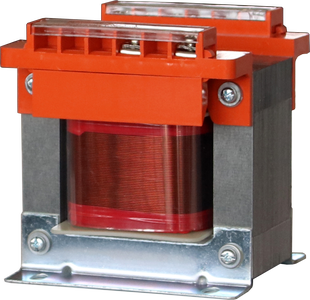
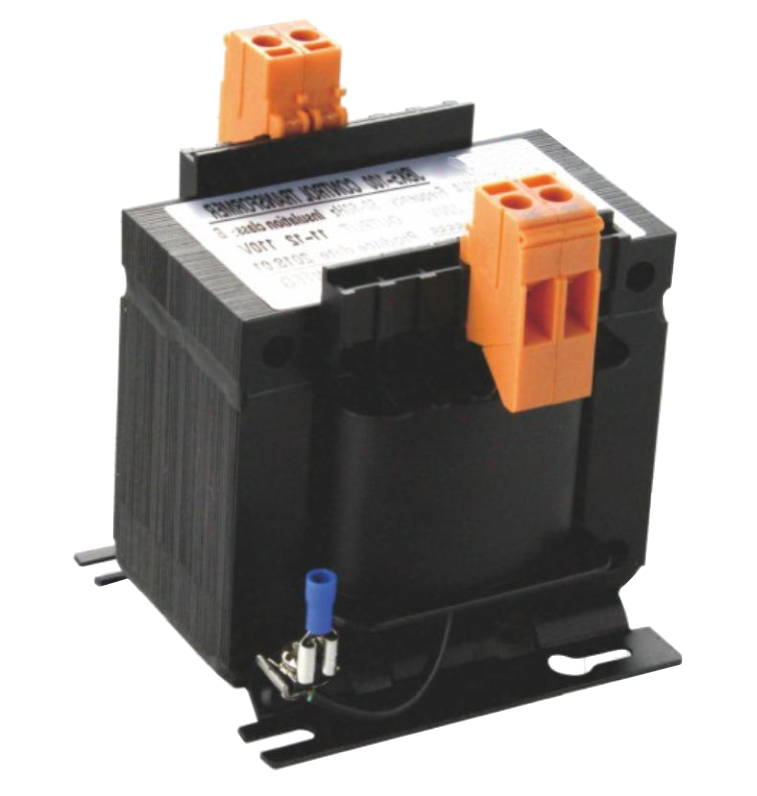
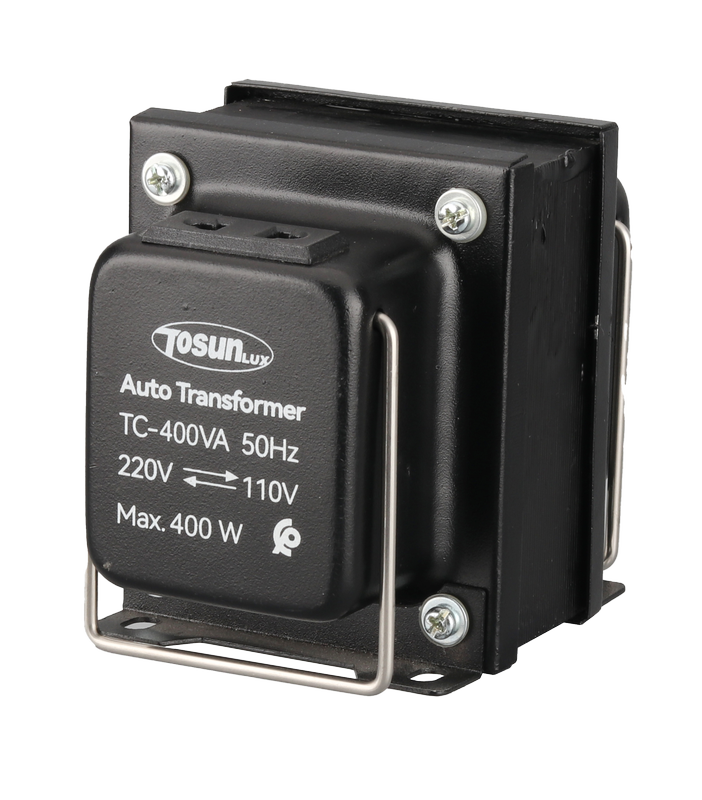
As a core power supply supporting component in control circuit systems, the control transformer plays a critical role in providing dedicated, adaptable, safe and stable operating power for various electrical control components, serving as an essential device ensuring reliable operation of control loops. In power distribution and industrial automation scenarios, the power grid typically supplies high voltages such as 380V and 220V, while electrical control components including contactors, intermediate relays, indicator lamps, pushbuttons and PLC control modules mostly adopt low rated operating voltages such as 12V, 24V, 36V and 110V. The control transformer realizes precise voltage conversion to deliver rated power that matches the working parameters of these components.
In addition, it provides effective electrical isolation between the primary and secondary sides, suppressing grid harmonics, voltage surges and stray interference to improve power quality, and preventing high voltage from intruding into control circuits and damaging precision components. Stable power output guarantees sensitive and accurate actuation of control elements, eliminating malfunctions caused by voltage fluctuations. It enhances the operational safety of control circuits, reduces electric shock risks on site, and extends the service life of electrical control components. Widely used in power distribution cabinets, machine tool control systems and industrial automation equipment, the control transformer is an indispensable power guarantee device in control circuit systems.
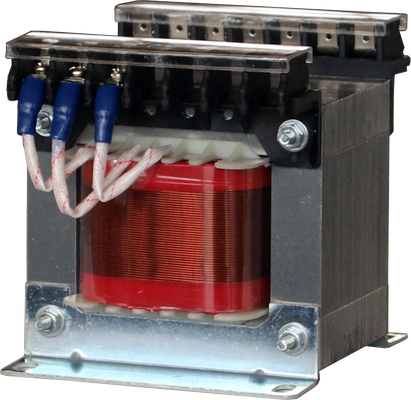
Control transformers are widely used as isolated power supplies in industrial control, power distribution and automation systems. Their core operating principle is to achieve complete electrical isolation between the primary and secondary circuits through electromagnetic induction, eliminating direct electrical connection between the input and output loops and thus blocking potential conduction and stray currents. Functionally, they can effectively isolate voltage surges, harmonic disturbances and high-frequency noise from the power grid, preventing strong electrical interference from intruding into low-voltage control circuits and ensuring the stable operation of control components such as contactors, relays and PLCs. Meanwhile, they prevent high voltage from the main circuit from entering the low-voltage secondary side, greatly reducing risks of equipment short circuits, component breakdown and electric shock, and significantly improving the electrical safety level of the system. In addition, the isolated structure eliminates circulating current interference caused by ground potential differences and provides a clean, stable independent power supply environment for control loops. Widely applied in machine tool control, switchgears and automation equipment, they serve as key isolated power supply devices to ensure the safe and reliable operation of control systems.
Our Products